


Winch
At Hoist & Winch Ltd, we supply a wide range of winches to suit almost every lifting and pulling application. Whether you need a manual hand winch, a powerful electric model, or a specialist air-powered winch for hazardous or offshore environments, our team can provide the right solution.
We work with leading global manufacturers including Yale, Pfaff, Haacon, Hadef and Tiger. By partnering with trusted brands, we ensure our customers receive high-quality and reliable equipment that meets strict safety and performance standards.
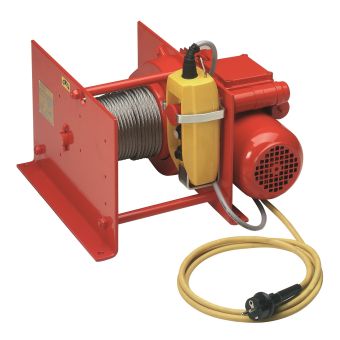
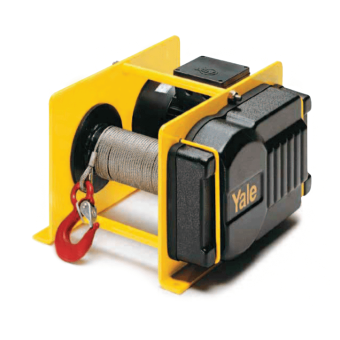
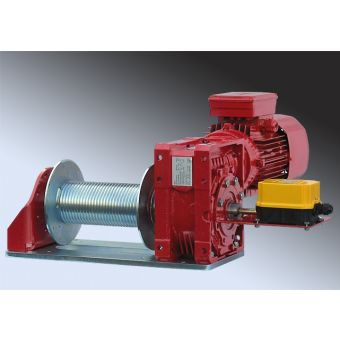
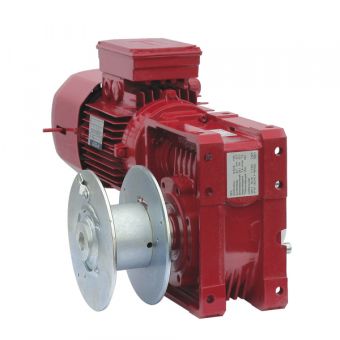
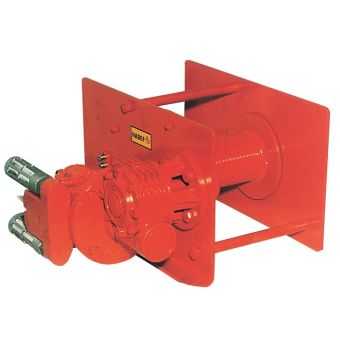
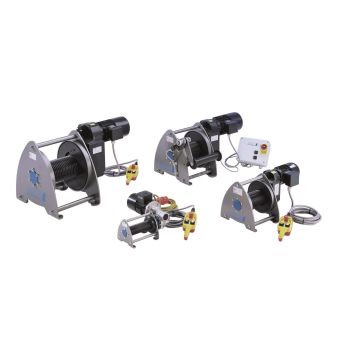
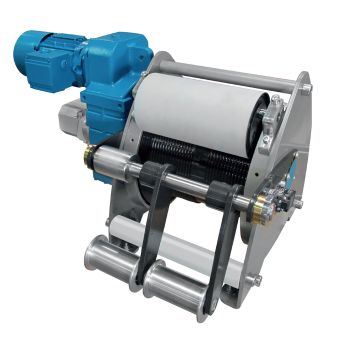
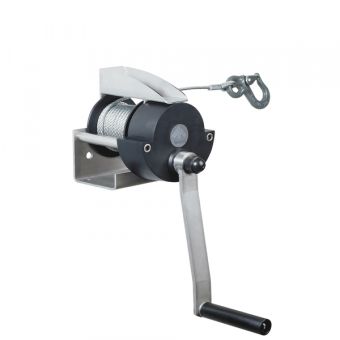
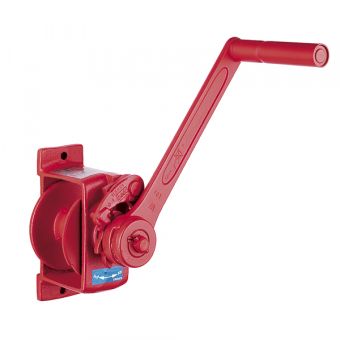
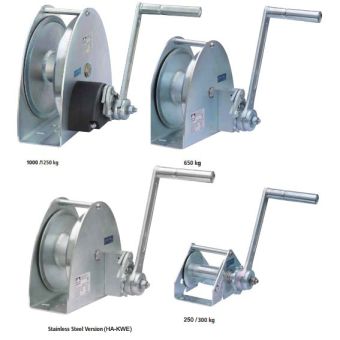
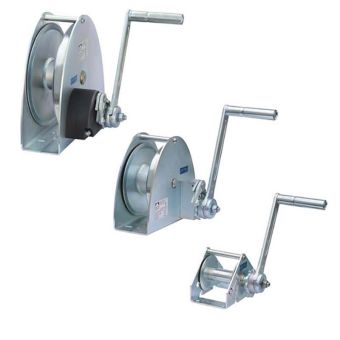
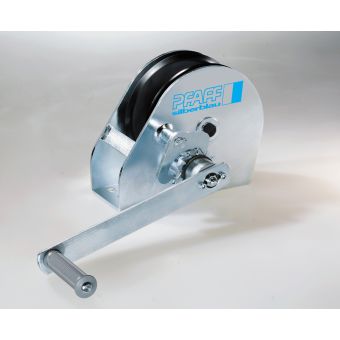
Leading Brands We Supply
We provide equipment from some of the most respected manufacturers in the industry. Yale is known for durable and versatile manual and electric winches. Pfaff offers high-quality German-engineered manual and powered options. Haacon specialises in unique winch designs for specialised lifting requirements. Hadef produces air-powered winches built for continuous heavy-duty use. Tiger provides reliable, cost-effective manual winches for everyday applications.
Why Choose Our Winches?
Our portfolio covers manual, electric and air-powered winches with load capacities ranging from a few hundred kilograms to multiple tonnes. We supply models that can be mounted on bases, walls, columns or tripods. Materials include steel, aluminium and stainless steel, making them suitable for corrosive or outdoor conditions. Many of our winches feature built-in safety measures such as automatic brakes, limit switches and ATEX-compliant designs for hazardous areas. Bespoke solutions are also available for unique or specialist applications.
Selecting the Right Winch
Choosing the correct winch depends on several factors. It is important to consider the weight of the load and the expected duty cycle, from occasional use to continuous operation. The operating environment also plays a role, whether standard indoor use, outdoor settings, corrosive conditions or explosive atmospheres. Power availability is another factor, with manual winches suited to remote sites, electric winches suited to workshops, and air-powered winches suited to hazardous locations. Mounting requirements should also be taken into account, and we offer winches designed for wall, floor and column mounting, along with custom options. All of our equipment is supplied in full compliance with LOLER, PUWER and other relevant safety standards.
Delivery, Hire & Support
We provide fast UK-wide and international delivery. Stock items are dispatched promptly and bespoke winches are supplied with clear lead times. For projects where a permanent purchase is not required, we offer both short and long-term hire. Our engineers can carry out installation, commissioning and LOLER certification. We also provide full aftercare support, including servicing, repairs and spare parts, to ensure your winch continues to operate safely and efficiently.
Trust Hoist & Winch Ltd
With decades of industry experience, a broad product portfolio and a strong reputation for bespoke solutions, Hoist & Winch Ltd is the trusted partner for winching equipment. Whether you need a simple manual winch or a fully customised powered solution, our team is here to help.
Frequently Asked Questions
What is a winch used for?
A winch is a mechanical device used to pull in, let out, or lift heavy loads. They are commonly used in construction, marine, industrial, mining, and workshop environments for lifting or pulling safely and efficiently.
What types of winches are available?
The main types include:
- Manual hand winches - operated by a handle for lighter loads.
- Electric winches - powered for frequent or heavy-duty lifting.
- Air (pneumatic) winches - explosion-proof for hazardous or offshore environments.
How do I choose the right winch?
Consider the load capacity required, frequency of use, environment (standard, corrosive, or hazardous), available power source (manual, electric, or air), and whether the winch needs to be portable or fixed.
What is the difference between a manual and an electric winch?
Manual winches rely on hand-cranking and are best for light, occasional lifting or pulling. Electric winches use a motor, making them suitable for heavier loads, more frequent use, and precise control.
What is an air winch?
An air winch, or pneumatic winch, is powered by compressed air. It is ideal for continuous use in hazardous environments such as oil rigs, petrochemical plants, and mining, where explosion-proof equipment is required.
What capacities do winches come in?
Winches range from lightweight manual units handling a few hundred kilograms to heavy-duty powered winches capable of lifting or pulling several tonnes.
Are winches safe to use?
Yes, provided they are operated within their rated capacity, regularly inspected, and maintained in line with LOLER and PUWER regulations. Many winches also include safety features such as automatic brakes and overload protection.
Can winches be customised?
Yes, winches can often be tailored to specific requirements including load rating, drum size, speed, mounting type, and environmental protection such as stainless steel construction or ATEX compliance.
Do I need professional installation for a winch?
While small manual winches can often be installed easily, larger electric and air winches should be professionally installed to ensure safety, compliance, and correct operation.
Can I hire a winch instead of buying?
Yes, winch hire is a popular option for short-term or one-off projects where permanent purchase is not required.
How should winches be maintained?
Maintenance includes regular inspections, lubrication, checking brakes and control systems, and an annual thorough examination by a qualified engineer.
How long does delivery take for winches?
Standard models are often available for quick dispatch, while customised or specialist winches may take longer depending on manufacturer lead times.