


Load Measuring Equipment
Accurate load monitoring is essential for safe and efficient lifting operations. At Hoist & Winch, we supply and support a wide range of load indication systems, from compact load links to advanced wireless indicators. Every unit provides real-time, precise measurements that assist operators in monitoring potential overloading, improve operator confidence and ensure compliance with safety standards.
Our systems are built for both standard and demanding applications, with bespoke options available for hazardous ATEX-rated environments. All equipment is tested, certified and manufactured to the highest levels of quality and reliability.
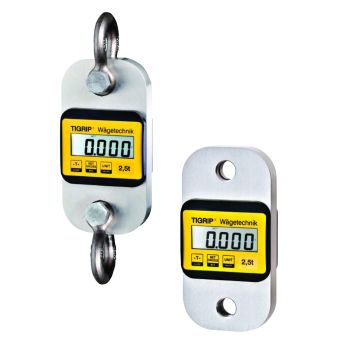
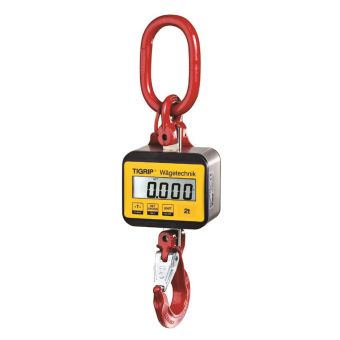
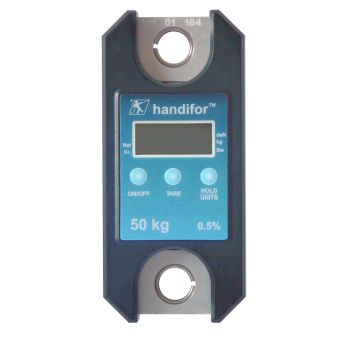
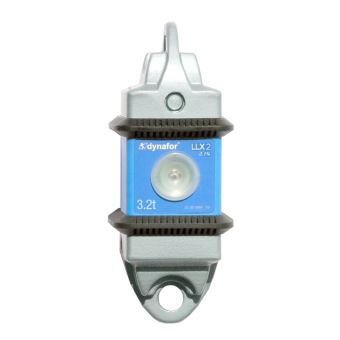
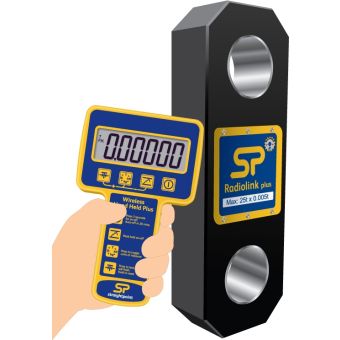
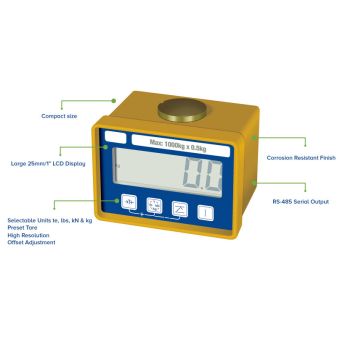
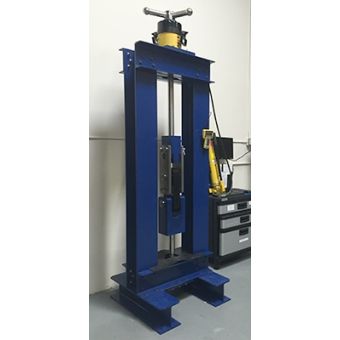
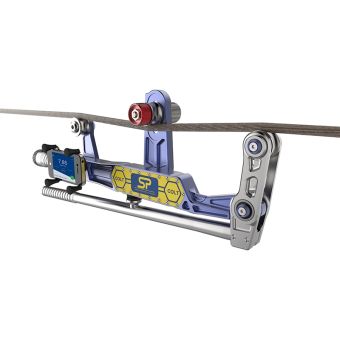
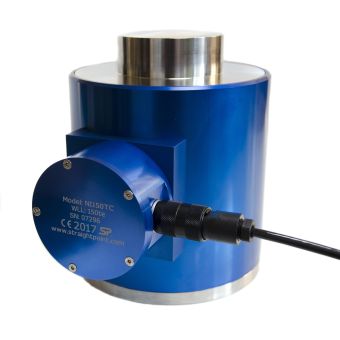
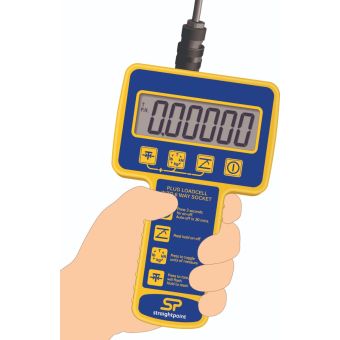

Why Choose Load Indication Systems?
Our solutions enhance safety by protecting both operators and equipment from overloads. Real-time monitoring ensures better lifting decisions, while high-accuracy models provide precision down to ±0.1%. Customers can choose from wired or wireless, portable or fixed, standard or ATEX-rated equipment. Many models also include alarms, cut-offs and data logging for complete traceability.
Choosing the Right System
Selecting the correct load indication system depends on several key factors. Capacity requirements vary from lightweight applications to multi-ton lifting operations. Display preferences range from integrated and handheld screens to remote or wireless options. Environmental conditions must also be considered, with solutions available for offshore, marine, tunnelling and other hazardous areas. Compliance is guaranteed, as all systems meet UK and international lifting regulations. Bespoke builds can be created to match unique project requirements.
Delivery, Installation & Support
We provide quick dispatch on standard units, while bespoke and ATEX-rated systems are made to order. Our team offers full installation, calibration and commissioning services across the UK. Ongoing support is also available, including inspections, repairs and recalibration through our dedicated workshop.
Summary
Hoist & Winch load indication systems deliver the accuracy and reliability required for safe lifting in industries such as construction, marine, offshore, petrochemical and mining. With both standard and bespoke solutions available, we provide the expertise, equipment and support needed to ensure every lift is carried out with confidence.
Frequently Asked Questions
What is a load indication system?
A load indication system is a device or setup that measures and displays the weight or force applied during a lifting operation. It helps operators monitor loads in real time to avoid potential overloading and maintain safety.
Why are load indicators important in lifting operations?
They assist operators to monitor loads during lifting operations, reduce the risk of accidents, protect machinery from damage, and help operators comply with safety regulations such as LOLER.
What types of load indicators are available?
Common types include load links, crane scales, tension monitors, load pins, and full load moment indicators (LMI). These may be wired, wireless, portable, or permanently installed.
How accurate are load indication systems?
Accuracy varies by model, but many high-quality systems offer precision within ±0.1–0.5%, making them suitable for safety-critical lifting operations.
Can load indicators be used in hazardous or ATEX-rated environments?
Yes, many manufacturers offer ATEX-certified load indication systems designed for explosive or hazardous environments such as petrochemical plants, offshore platforms, and tunnelling projects.
Do load indication systems require calibration?
Yes, regular calibration is essential to maintain accuracy and compliance with safety standards. The frequency depends on usage, industry regulations, and manufacturer guidelines.
What industries commonly use load indication systems?
They are widely used in construction, offshore, marine, mining, heavy engineering, petrochemicals, and manufacturing - anywhere lifting operations must be performed safely.
Can load indicators provide data logging?
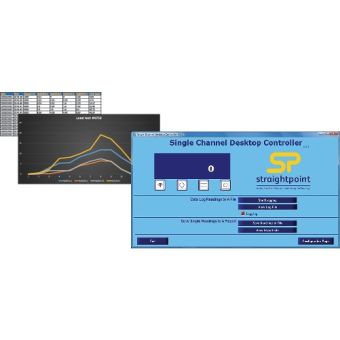
Many modern systems feature data logging and wireless connectivity, allowing operators to record, track, and analyse lifting operations for compliance and performance monitoring.
What capacity ranges are available for load indicators?
Systems are available for small-scale loads under a tonne, up to heavy-duty equipment capable of monitoring hundreds of tonnes, depending on the application.
What should I consider when choosing a load indication system?
Key factors include load capacity, accuracy, display type (wired, wireless, remote), environmental conditions, safety features (alarms and cut-offs), and compliance with lifting regulations.