


Hydraulic Powered Chain Hoist
Hydraulic hoists provide a powerful and reliable lifting solution where hydraulic systems are already in place. At Hoist and Winch Ltd, we stock J D Neuhaus (JDN) hydraulic-powered chain hoists, engineered to perform in industrial and heavy-duty environments where air or electric hoists may not be ideal.
Hydraulic hoists are suitable for continuous duty, heavy lifting, and harsh or confined environments, making them perfect for manufacturing, offshore, construction, and maintenance applications. They offer precise load control, compact construction, and high durability for long-term performance.
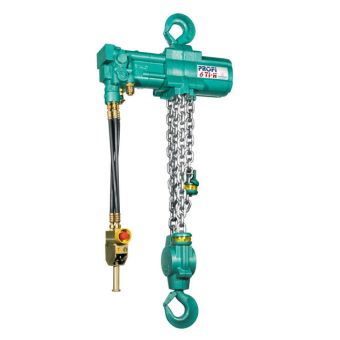
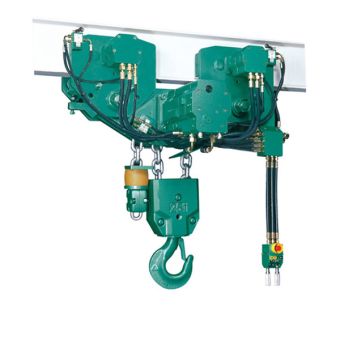
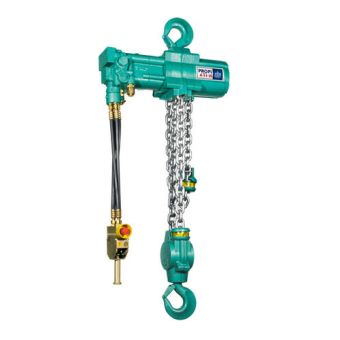
Benefits of Hydraulic Hoists
- Integrates with Existing Hydraulic Systems - Ideal where central hydraulic lines or aggregates are present.
- High Lifting Power - Capable of handling heavy loads with precision.
- Continuous Duty - Designed to operate reliably in demanding environments without overheating.
- Compact & Robust Design - Efficient use of space with durable construction.
Safe & Controlled Operation - Smooth lifting and lowering, with excellent load control.
J D Neuhaus Hydraulic Hoist Range
Standard Hydraulic Hoists feature a reliable, robust design intended for general industrial lifting. They are typically used in workshops, factories, and offshore environments, with capacities of up to 20 tonnes and beyond.
Heavy-Duty Models are high-capacity hoists built for continuous lifting in harsh environments. Common applications include construction, shipbuilding, and mining, with capacity ranges from 5 tonnes to over 50 tonnes.
Compact Hydraulic Hoists have a slimline design that makes them ideal for low-headroom applications. They are frequently used in confined spaces and for machinery maintenance, with capacities ranging from 250 kilograms to 5 tonnes.
Applications of Hydraulic Hoists
- Lifting heavy machinery and components in workshops and factories
- Offshore, marine, and shipyard operations
- Construction and tunnelling projects
- Maintenance in environments where air or electric power is restricted
- Integration into central hydraulic systems for controlled lifting operations
Why Choose Hydraulic Hoists?
Hydraulic hoists provide a versatile alternative to air or electric hoists, particularly where a central hydraulic supply exists. They are known for:
- Precision and smooth load handling
- High lifting capacities
- Durability in continuous or extreme-duty applications
- Low maintenance requirements
- Suitability for hazardous or industrial environments
Support, Delivery & Service
- Installation & Commissioning - Professional setup ensures safe operation and compliance.
- Maintenance & Repair - Expert servicing to extend equipment life and maintain performance.
- Global Export - Supplying hydraulic hoists and components worldwide.
- Technical Guidance - Assistance with load planning, system integration, and operational safety.
Hydraulic hoists from J D Neuhaus combine robust engineering, reliable performance, and precise control, providing the ideal solution for industrial lifting where hydraulic systems are already present.
Frequently Asked Questions
What is a hydraulic hoist?
A hydraulic hoist is a lifting device powered by a hydraulic system. It uses pressurised fluid to drive a motor or cylinder that lifts and lowers heavy loads safely and precisely.
How does a hydraulic hoist differ from an air or electric hoist?
Hydraulic hoists use fluid pressure, making them suitable for continuous duty and high-capacity lifting. They are ideal where hydraulic lines or central hydraulic systems are already in place.
What types of hydraulic hoists are available?
Standard Industrial Hoists - for general lifting applications
Heavy-Duty Models - high-capacity for demanding tasks
Compact or Low-Headroom Hoists - designed for restricted spaces
Specialised Hoists - for integration with existing hydraulic systems
Where are hydraulic hoists commonly used?
They are widely used in industries such as offshore, marine, construction, mining, manufacturing, shipyards, and maintenance workshops.
How do I choose the right hydraulic hoist?
Consider factors such as load capacity, headroom limitations, operating environment, lifting frequency, and whether a central hydraulic system is available.
Can hydraulic hoists be used in hazardous environments?
Yes. Many hydraulic hoists are designed to operate safely in hazardous or explosive environments.
What load capacities do hydraulic hoists offer?
Hydraulic hoists range from small capacities of a few hundred kilograms to heavy-duty models capable of lifting tens of tonnes.
What maintenance is required for hydraulic hoists?
Regular inspection, checking fluid levels, monitoring hoses and fittings, and servicing moving components ensures safe operation and longevity.
Are hydraulic hoists suitable for continuous operation?
Yes. Hydraulic hoists are designed for continuous or repetitive lifting tasks, making them ideal for industrial applications where downtime must be minimised.