


Fork Lift Truck Attachments
Forklift truck attachments transform standard forklifts into highly versatile machines, enabling them to handle non-standard, awkward, or delicate loads safely and efficiently. At Hoist & Winch, our range of forklift attachments helps you adapt to a wide variety of lifting tasks-whether you're handling drums, cartons, coils, or bulk materials.
Common forklift attachment types include side shifters, fork positioners, clamps, rotators, drum handlers, push/pull units, and more.
Use the right attachment and you increase safety, reduce load damage, and improve productivity.
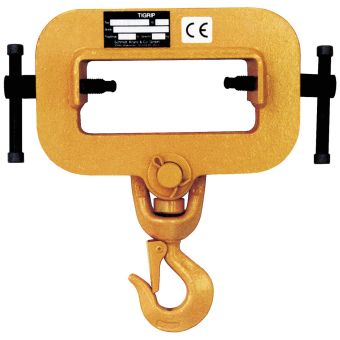
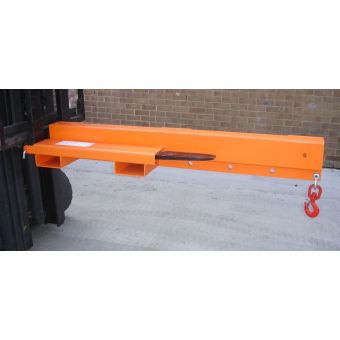
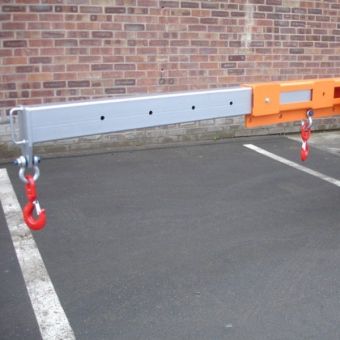
Our Attachment Portfolio
We provide attachments tailored for many use cases. Below is an illustrative table of categories, functions, and benefits:
- A side shifter moves the forklift forks laterally to the left or right, which allows for aligning loads without repositioning the forklift.
- A fork positioner adjusts the fork spacing hydraulically, making it suitable for handling pallets of varying widths.
- Drum and barrel clamps or handlers grip and tilt drums, and are commonly used for chemical drums, oil barrels, and food containers.
- Carton and bale clamps are designed to clamp non-palletised goods, such as appliances, packaged goods, and textiles.
- Rotators or inverters rotate loads 180° or 360°, making them ideal for pouring or dumping containers.
- Push and pull attachments for slip sheets allow loads to be moved without a pallet, often used in retail or for thin-sheet handling.
- Fork extensions lengthen the fork reach, which is useful for lifting long loads or deeper pallets.
- Coil and pipe rams handle coils, pipes, or rolls, and are commonly used for steel coils, tubes, or carpet rolls.
- Work platforms or man baskets enable the safe lifting of personnel, typically for maintenance tasks or stock picking.
- Rotating and telescopic booms extend the reach of a forklift, allowing for switching directions, which is particularly useful in construction or for overhead placement.
How to Choose the Right Attachment
Selecting the proper attachment is critical. Here are key considerations:
- Load Type & Shape - Cylindrical loads need clamps; flat or palletised loads might only need side shift or a positioner.
- Weight & Capacity - Remember: the weight of the attachment reduces the forklift’s available payload.
- Load Centre Shift - Some attachments shift the load further forward, reducing the effective capacity.
- Mounting & Compatibility - Ensure the attachment matches your forklift carriage class and mounting style.
- Control & Hydraulics - Many attachments require hydraulic feed or auxiliary circuits.
- Operation Frequency - For frequent swapping, a quick-change or quick-tach system may be beneficial.
- Environmental Conditions - Corrosive, dusty, or hazardous areas demand materials and protection suited to that environment.
Common Attachment Examples & Benefits
- Side Shifter - Helps align loads without repositioning the forklift, reducing time and effort.
- Fork Positioner - Allows fork width adjustment from the operator’s seat, ideal for variable pallet sizes.
- Drum Handler - Grips and lifts cylindrical drums, often with tilt or rotator functions.
- Rotator/Inverter - Rotates forks or load for dumping or load reorientation.
- Push/Pull - Moves loads on slip sheets rather than pallets, useful in sectors where pallets are cost-limited.
- Coil Ram/Pipe Ram - Specialised ram for transporting coils, pipes, or rolled steel.
- Work Platform/Man Basket - Converts forklift into a safe access platform (with appropriate safety rating and guardrails).
Safety, Compliance & Best Practices
- Capacity Reduction: Always account for attachment weight and its effect on load limits.
- Training: Operators must be trained specifically for each attachment type.
- Inspection & Maintenance: Check hydraulic lines, pins, wear surfaces, and locking mechanisms regularly.
- Data Plates & Charts: Use an auxiliary data plate or updated load charts when attachments alter the forklift’s performance.
- Regulation Compliance: Attachments must be used in line with applicable safety standards and regulations.
Support, Custom Solutions & Services
- Custom Design: If standard attachments don’t match your needs, bespoke designs are possible-tailored for load type, orientation, or environment.
- Compatibility Advice: We assist with carriage matching, hydraulic fitting, and capacity planning.
- Delivery & Installation: Nationwide and international support for setup and commissioning.
- Aftercare: Spare parts, refurbishment, and servicing to keep attachments safe and reliable.
Harnessing the right forklift attachment empowers your lift truck to tackle more tasks with safety and efficiency. Whether it’s drums, cartons, coils, or custom loads - adapt your forklift to the job, not the other way around.
Frequently Asked Questions
What are forklift attachments?
Forklift attachments are additional tools fitted to a standard forklift to perform specialised tasks, such as handling drums, cartons, coils, or other non-standard loads.
Why would I need a forklift attachment?
Attachments increase versatility, improve safety, reduce load damage, and allow forklifts to handle materials that cannot be lifted with standard forks.
What types of forklift attachments are available?
Common types include:
- Side shifters
- Fork positioners
- Drum/barrel handlers
- Carton/bale clamps
- Rotators/inverters
- Push/pull (slip sheet) units
- Fork extensions
- Coil/pipe rams
- Work platforms/man baskets
How do I choose the right attachment for my forklift?
Consider the load type and shape, weight, lift height, carriage compatibility, hydraulic requirements, and operational frequency.
Do attachments affect forklift capacity?
Yes. Most attachments add weight and may shift the load centre forward, reducing the forklift’s effective lifting capacity.
Can forklift attachments be used in hazardous or outdoor environments?
Yes, provided the attachment is rated for the environment, e.g., corrosion-resistant, ATEX-rated, or suitable for wet/dirty conditions.
How are attachments installed?
Many attachments are mounted directly to the forklift carriage using the appropriate class and mount type. Some require auxiliary hydraulics or quick-change systems for easy swapping.
How do I maintain forklift attachments?
Regular inspection of pins, wear surfaces, locking mechanisms, and hydraulic lines is essential. Lubrication and servicing according to the manufacturer’s schedule prolongs the lifespan and maintains safety.
Can attachments be customised?
Yes. Many manufacturers offer bespoke attachments designed for specific loads, shapes, orientations, or operational requirements.
Are forklift attachments safe to use?
Yes, when used correctly by trained operators, with consideration for capacity limits, load stability, and proper attachment selection.